
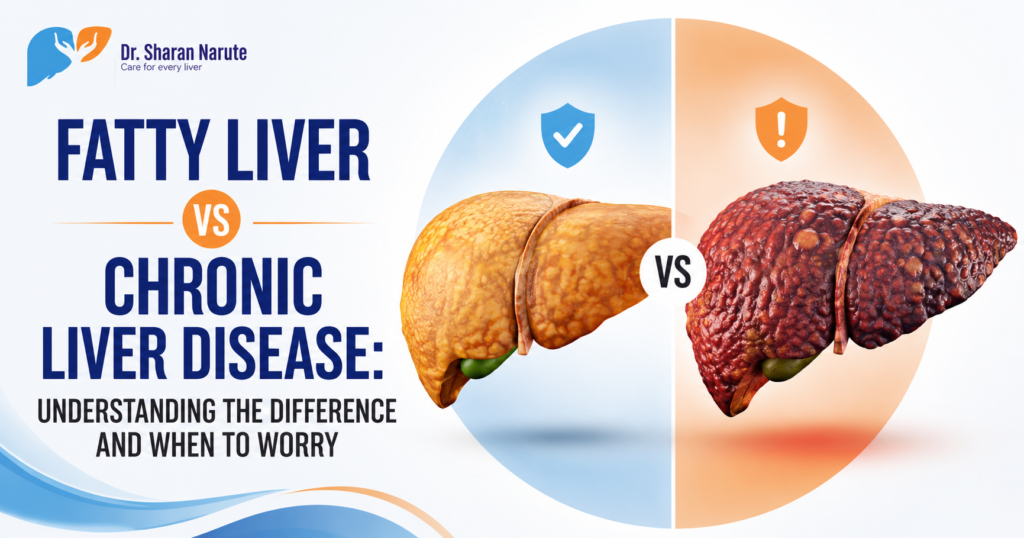
Liver health plays a vital role in your overall well being. Your liver performs hundreds of essential functions, including filtering toxins, producing bile for digestion, storing nutrients, and helping regulate metabolism. However, liver diseases often develop silently, with few noticeable symptoms in the early stages.
Two terms that are frequently confused are fatty liver and chronic liver disease. While fatty liver can be an early and often reversible condition, chronic liver disease refers to long term liver damage that may progress to serious complications if left untreated. Understanding the difference can help you seek timely medical care from a Chronic liver disease specialist and protect your liver health. If advanced liver disease is suspected, consulting the best Liver Transplant Surgeons in Pune can also be an important part of comprehensive care.
What Is Fatty Liver?
Fatty liver, also known as hepatic steatosis, occurs when excess fat builds up inside liver cells. A small amount of fat in the liver is normal, but when fat accounts for more than 5% of the liver’s weight, it is considered fatty liver disease.
There are two main types:
- Non Alcoholic Fatty Liver Disease (NAFLD): Commonly associated with obesity, diabetes, high cholesterol, and metabolic syndrome.
- Alcohol Related Fatty Liver Disease: Caused by excessive alcohol consumption.
According to the American Liver Foundation, fatty liver affects approximately 25% of adults worldwide, making it one of the most common liver conditions.
In many cases, fatty liver causes no symptoms and is discovered during routine blood tests or imaging studies.
What Is Chronic Liver Disease?
Chronic liver disease refers to ongoing liver inflammation or damage that lasts for six months or longer. Over time, repeated injury can cause scarring of the liver, known as fibrosis. If the scarring becomes extensive, it may progress to cirrhosis, significantly affecting liver function.
Common causes include:
- Chronic hepatitis B or hepatitis C infection
- Non alcoholic fatty liver disease that progresses
- Long term alcohol misuse
- Autoimmune liver diseases
- Genetic liver disorders
- Certain medications or toxins
Unlike simple fatty liver, chronic liver disease may eventually lead to liver failure or increase the risk of liver cancer if not properly managed.
Fatty Liver vs Chronic Liver Disease: What Is the Difference?
Although these conditions are related, they are not the same.
| Fatty Liver | Chronic Liver Disease |
| Fat accumulates in the liver | Long term liver damage or inflammation |
| Often reversible with lifestyle changes | May require ongoing medical treatment |
| Usually causes few or no symptoms | Symptoms often develop as the disease progresses |
| Can progress to chronic liver disease if untreated | May lead to cirrhosis or liver failure |
Not everyone with fatty liver develops chronic liver disease. However, ignoring fatty liver, especially when combined with obesity, diabetes, or alcohol misuse, increases the risk of progression.
Symptoms You Should Not Ignore
In the early stages, both conditions may remain silent. As liver damage worsens, symptoms become more noticeable.
Watch for:
- Persistent fatigue
- Yellowing of the skin or eyes (jaundice)
- Pain or discomfort in the upper right abdomen
- Swelling in the abdomen or legs
- Loss of appetite
- Unexplained weight loss
- Easy bruising
- Dark colored urine
- Persistent itching
According to the National Institute of Diabetes and Digestive and Kidney Diseases (NIDDK), chronic liver disease often develops gradually, making regular monitoring essential for people at risk.
Who Is at Higher Risk?
Several factors increase the likelihood of developing fatty liver or chronic liver disease.
People at higher risk include those with:
- Obesity
- Type 2 diabetes
- High cholesterol
- High blood pressure
- Heavy alcohol consumption
- Viral hepatitis
- Family history of liver disease
- Metabolic syndrome
The World Health Organization (WHO) also recognizes viral hepatitis as a major contributor to chronic liver disease globally.
When Should You See a Chronic liver desease specialist?
Early medical evaluation can prevent liver damage from progressing to irreversible stages.
Consult a Chronic liver disease specialist if you experience:
- Abnormal liver function test results
- Persistent fatigue without explanation
- Jaundice
- Ongoing abdominal swelling
- Fatty liver diagnosed on ultrasound
- Chronic hepatitis infection
- Family history of liver disease
Your doctor may recommend blood tests, liver ultrasound, FibroScan, CT scan, MRI, or liver biopsy depending on your condition.
Can Fatty Liver Be Reversed?
One of the encouraging aspects of fatty liver disease is that it can often be reversed, especially in its early stages.
Lifestyle modifications remain the most effective treatment.
These include:
- Achieving gradual weight loss.
- Following a healthy, balanced diet.
- Exercising regularly.
- Managing diabetes and cholesterol.
- Avoiding alcohol if advised by your doctor.
- Taking medications only under medical supervision.
The American Association for the Study of Liver Diseases (AASLD) recommends weight loss and lifestyle changes as the first line treatment for non alcoholic fatty liver disease.
Can Chronic Liver Disease Be Treated?
Although advanced liver scarring cannot always be reversed, treatment can slow or stop further damage.
Treatment depends on the underlying cause and may include:
- Antiviral medications for hepatitis
- Medicines for autoimmune liver disease
- Lifestyle changes
- Alcohol cessation
- Regular monitoring for complications
- Liver transplantation in advanced cases
Early diagnosis offers the best opportunity to preserve liver function and improve long term outcomes.
How to Keep Your Liver Healthy
Simple daily habits can significantly reduce your risk of liver disease.
Here are a few important steps:
- Maintain a healthy weight.
- Eat a balanced diet rich in fruits, vegetables, and whole grains.
- Exercise regularly.
- Limit alcohol intake.
- Control diabetes and high cholesterol.
- Get vaccinated against hepatitis A and B when appropriate.
- Avoid unnecessary medications and herbal supplements without medical advice.
- Schedule regular health checkups if you have risk factors.
Final Thoughts
Fatty liver and chronic liver disease are closely connected but represent different stages of liver health. While fatty liver is often reversible, chronic liver disease involves ongoing liver damage that may lead to serious complications if ignored.
Recognizing the warning signs, managing risk factors, and seeking timely care from a Chronic liver desease specialist can make a significant difference. Early diagnosis and proper treatment not only protect your liver but also improve your overall health and quality of life.
Expert Liver Care with Dr. Sharan Narute
If you have been diagnosed with fatty liver, abnormal liver function tests, chronic hepatitis, or any form of liver disease, expert medical guidance is essential. Dr. Sharan Narute provides comprehensive evaluation and treatment for a wide range of liver conditions, including chronic liver disease, fatty liver disease, cirrhosis, and advanced liver disorders. If you are looking for a trusted Chronic liver disease specialist In Pune, Dr. Sharan Narute offers personalized care, advanced diagnostic services, and evidence based treatment plans to help you achieve better liver health and prevent disease progression.
Hashtags
#LiverHealth #FattyLiver #ChronicLiverDisease #LiverDiseaseAwareness #HealthyLiver #LiverCare #Hepatology #LiverSpecialist #Cirrhosis #DrSharanNarute #PreventLiverDisease #HealthEducation